Frequently Asked
Questions
Everything you need to know about habit tracking, our methods, and how to use Travb's free resources effectively.
🌱 Getting Started
How many habits should I track at once?
Start with 2–3 habits maximum. Research consistently shows that trying to change too many things at once leads to overwhelm and abandonment. Master 2–3 habits for 60–90 days, then add more. Fewer habits tracked perfectly beats many habits tracked inconsistently every time.
What's the best habit to start with?
Choose a "keystone habit" — one that naturally triggers other positive behaviors. Common keystone habits include morning exercise (which improves diet, sleep, and focus), daily journaling (which improves clarity and intention), or consistent sleep/wake times (which stabilizes energy and mood). Pick what feels most meaningful to you.
Do I need to create an account to use Travb?
When is the best time of day to track habits?
Track habits at a consistent time tied to a fixed daily anchor — morning works best for most people because willpower and motivation are highest after sleep. Evening tracking works well for reflection. The key is consistency: same time, same place, every day.
📋 Methods
Which habit tracking method is best for beginners?
The Two-Minute Rule combined with the Streak Method is ideal for beginners. The Two-Minute Rule removes the barrier to starting (just do 2 minutes), while streak tracking provides daily visual motivation. Together, they make it almost impossible to fail to start, while rewarding consistency. See our Methods page for full explanations.
What is habit stacking and how do I use it?
Habit stacking means attaching a new habit to an existing one using this formula: "After I [EXISTING HABIT], I will [NEW HABIT]." For example: "After I make my morning coffee, I will write in my journal for 5 minutes." This works because your existing habit acts as a trigger (cue) for the new one, reducing the need for separate reminders or willpower.
Can I combine multiple methods?
Absolutely — in fact, combining methods often works better than using one alone. A powerful combination: use Habit Stacking to sequence your habits, the Two-Minute Rule to make starting easy, and Streak Tracking to stay motivated. Start simple and layer in additional methods as your routine solidifies.
How does the 1% improvement method work practically?
Each week, identify one tiny improvement to your habit. If you're building a reading habit: Week 1 is 5 pages/day, Week 2 is 7 pages, Week 3 is 10 pages. The numbers don't matter — the principle does. Compound marginal gains add up dramatically over 6–12 months. Track your version of "1% better" in our progress template.
📥 Templates
Are all templates really free?
Yes — completely free, no credit card, no email required. We believe everyone deserves access to effective self-improvement tools. All templates on Travb are free forever. Visit our Templates page to browse and download.
Which template format works best — digital or printed?
Research and our community experience both point to printed templates being more effective for most people. The physical act of writing and checking boxes builds stronger commitment than tapping a screen. However, digital works well if you're always on-the-go. Try both for 2 weeks and see which you actually use more consistently.
Which template should I start with?
For most people, we recommend starting with the Monthly Habit Grid (the most downloaded template). It's simple, visual, and gives you a full-month view of your consistency. If you prefer daily detail, try the Morning Routine Checklist or Daily Habit Checklist instead.
🔥 Consistency
What do I do when I miss a day?
Follow the "Never Miss Twice" rule — if you miss a day, make it your absolute commitment to not miss the next one. Missing once is an accident; missing twice is starting a new (bad) habit. Research shows that single missed days don't significantly impact long-term habit formation — but consecutive misses do. The gap is fine. Just close it quickly.
How do I stay motivated after the initial excitement wears off?
This is the most common challenge. Three strategies that work: 1) Make your streak visible — put your tracker somewhere you see daily. 2) Reduce the habit when motivation drops — do the 2-minute version instead of skipping entirely. 3) Review your "why" weekly — write down why this habit matters and re-read it when you want to quit.
How long until a habit becomes automatic?
The popular "21 days" rule is a myth. The actual research (Phillippa Lally, UCL) found habits take between 18 and 254 days, with an average of 66 days. Complex habits take longer; simple habits are faster. The key insight: don't measure by days, measure by repetitions. More consistent repetitions = faster automaticity.
🔬 The Science
Is habit tracking actually proven to work?
Yes. Multiple studies confirm that self-monitoring significantly increases goal achievement. A 2015 meta-analysis of 138 studies found that tracking behavior was consistently associated with improved outcomes across health, fitness, diet, and productivity domains. Visual tracking (like Travb's templates) creates a feedback loop that reinforces behavior change.
What's the "habit loop" and why does it matter?
The habit loop (popularized by Charles Duhigg) has three parts: Cue → Routine → Reward. Every habit is built on this loop. To build a new habit: set a clear cue (trigger), define your routine (the habit itself), and ensure there's a reward (positive feeling, checkmark, or progress). Travb's templates are designed to reinforce all three elements.
🏢 About Travb
Where is Travb based?
Travb is headquartered at 2-8-1 Nishishinjuku, Shinjuku City, Tokyo 163-8001, Japan. We're a small, passionate team committed to making habit building simple and accessible worldwide.
How can I contact the Travb team?
Email us at hello@culturalexperienceprogram.com or use the form on our Contact page. We respond to all messages within 24 hours.
Can I suggest a new template or feature?
Absolutely! Our best templates have come from community suggestions. Send your ideas to hello@culturalexperienceprogram.com with the subject "Template Idea." We genuinely read every suggestion and implement the most-requested ones.
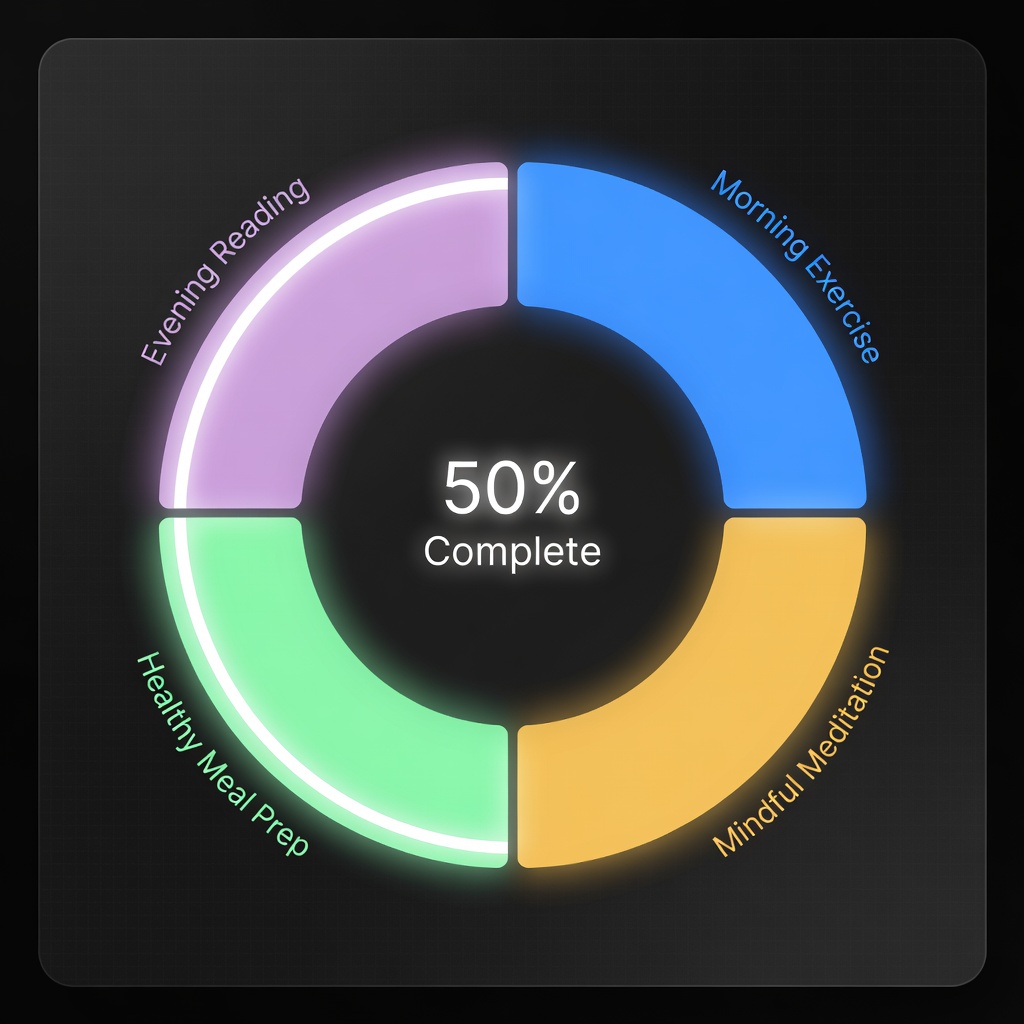
Still Have Questions?
We're here to help you succeed
Can't find your answer in the FAQ? Our team loves hearing from habit builders at every stage. Whether you're just starting or have been tracking for years, we're here to support your journey.
Contact Us →
Dive Deeper
Visual data helps you understand your habits
Sometimes a chart tells you more than a checklist. Our resources page includes visual guides, comparison charts, and habit science infographics to help you understand your own patterns.
Explore Resources →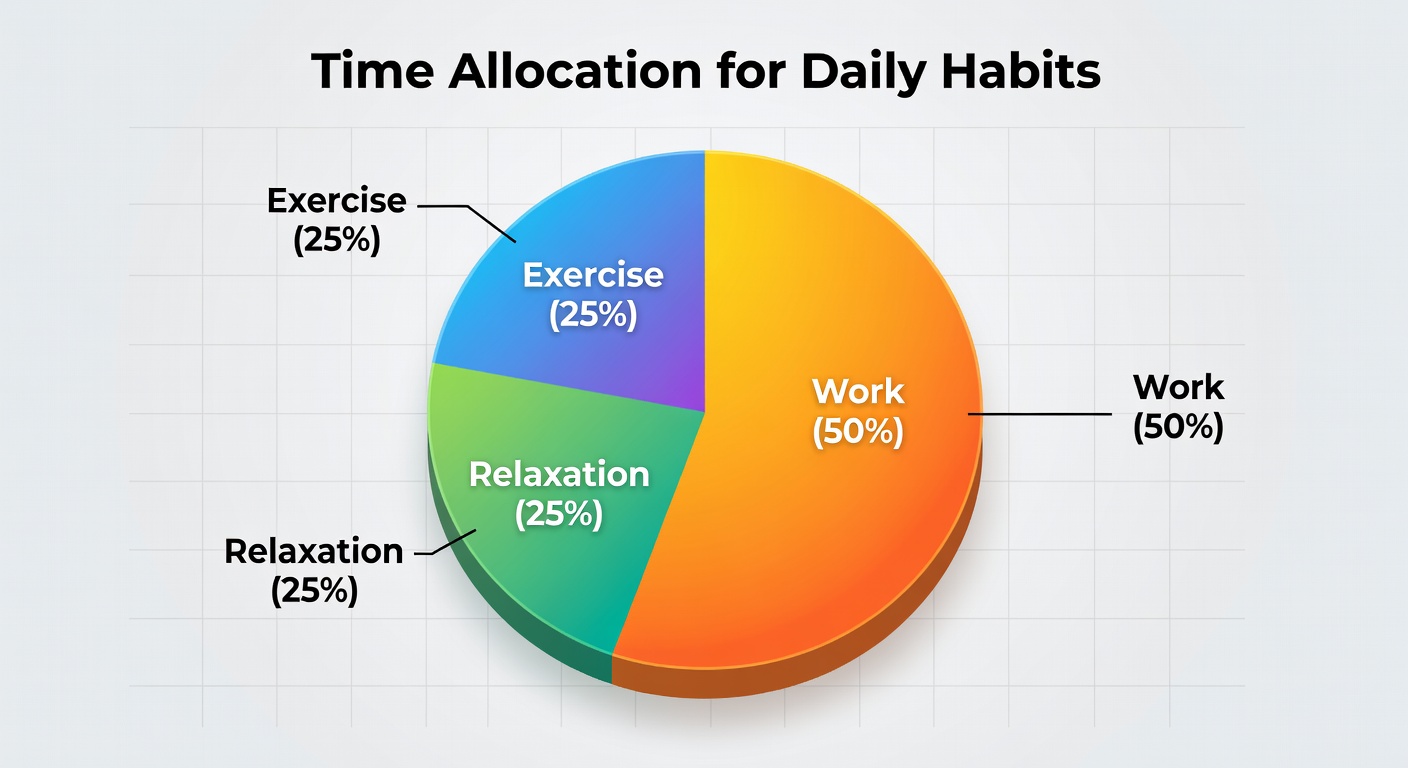
Ready to start building habits?
All the answers are here. Now it's time to take action — download your first tracker today.
Get Free Templates →